
October 14, 2026
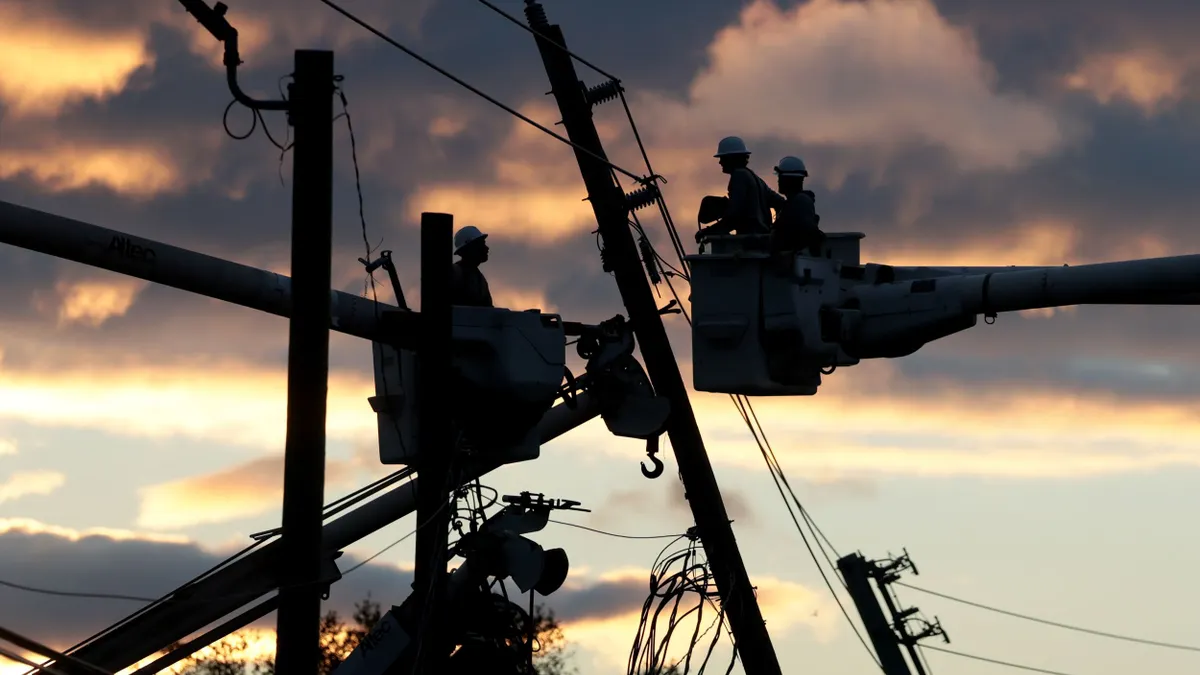
The latest jobs report did not arrive today, but its warning is still landing in household budgets. On October 2, the U.S. added just 29,000 jobs in September, and unemployment edged up to 4.2%, according to the Bureau of Labor Statistics data reported by CNN. Then Hurricane Isaias struck Florida’s Gulf Coast. During the storm’s third day of recovery, about 160,000 customers in Florida and Alabama were still without power, Utility Dive reported October 12.
For people whose income depends on a restaurant reopening, a shift starting on time, or customers returning to a local shop, those headlines are not abstract economic signals. They are questions about this week’s pay.
The dates matter: the jobs figure was released on October 2, and the 160,000 outage figure described conditions on October 12. They are recent indicators, but not numbers newly released today. And while a headline circulating today says markets fell to a new 2026 low, the linked report currently displays a March 29 story date, so that specific claim could not be independently confirmed for October 14. The facts we can verify are worrying enough without overstating them.
After Isaias, a closed business can mean a missed paycheck
Isaias made landfall near Destin on October 9 as a Category 2 hurricane with maximum sustained winds of 105 mph, according to Florida’s October 10 recovery update. The storm brought down trees, damaged homes and disrupted power. In areas where roads are blocked or electricity is out, businesses may have to close even if their buildings are still standing.
That puts workers in a familiar but painful bind: a shop can be temporarily shut, a shift cancelled, and the bills still arrive. Lost hours can hit hourly employees especially hard. Small-business owners face another squeeze: repairs, spoiled stock and delayed customer traffic can drain cash before insurance claims or other recovery funding comes through.
The financial damage is still being assessed. On October 13, risk analytics company Verisk estimated that insured losses to onshore property could reach $1 billion to $2 billion. That is a modeled estimate, not a final count of claims paid or wages lost. Verisk said its estimate covers specified insured property losses and excludes several categories, including uninsured property and some flood losses. Read Verisk’s explanation of its estimate.
Florida has announced emergency help for affected businesses. On October 13, FloridaCommerce activated a $10 million Small Business Emergency Bridge Loan Program. Eligible businesses may apply for short-term, zero-interest loans, but these are loans, not grants, and must be repaid. The program is intended to bridge the gap while businesses seek longer-term support or wait for insurance claims to be resolved. Details, eligibility and the application deadline are available through the Florida Small Business Emergency Bridge Loan Program.
That support may help some owners keep their businesses afloat. It is not, however, an automatic replacement for employees’ missed wages. Workers affected by closures should check directly with their employer, state and local services, and relevant assistance programs to find out what support may apply to their situation.
Slow hiring leaves less room for a setback
The jobs report adds another kind of uncertainty. September’s 29,000 payroll increase fell well short of the roughly 90,000 jobs economists surveyed by CNN expected. The unemployment rate rose to 4.2%, and CNN reported that annual wage growth slowed to 3%. Its labor-market coverage described hiring as slow and job seekers as facing strong competition.
That does not mean every worker is about to lose a job. It does mean that someone who does lose hours or needs to replace a paycheck may find fewer easy options than they would in a fast-hiring economy. When businesses are cautious, job searches can take longer, and workers can feel less confident about negotiating pay or switching roles.
Meanwhile, energy costs are adding pressure. Oil prices matter well beyond the gas station: they can affect transport, delivery and the cost of moving goods. The Federal Reserve’s Christopher Waller said in an October 8 speech that inflation remained too high and that policy would, at least in the near term, be focused on inflation. He pointed to energy prices among the pressures complicating the outlook.
For a household, that can mean trying to manage two problems at once: income that feels less secure, and everyday costs that leave less room to save. A higher fuel bill or grocery total can turn a small gap in work hours into a bigger strain on rent, debt payments or retirement savings.

Extra income can be a hedge, but it is not a sure thing
This is why people start searching for ways to make money online or looking through work from home ideas when the job market feels shaky. An additional income source could offer more flexibility, but it should be treated as a possible hedge, not a guaranteed rescue plan.
Some people look for freelance work or remote part-time jobs. Others explore passive income streams, though “passive” often hides upfront work, costs, or ongoing effort. Searches for retirement income ideas and side hustles for seniors reflect a similar concern: how to create more room in a budget without putting essential savings at risk.
Start by being clear about the trade-off. A traditional remote job may offer defined duties and wages but requires applying and competing for a position. Freelancing may offer flexibility but take time to find clients. An online business system may come with tools or guidance, yet still involve promotion, learning and uncertain sales. Our guides to making money from home and retirement income ideas cover options to consider. For a closer look at the risks of comparing online earnings with traditional retirement income, see this comparison.
A sensible first step is to protect the money you need for essentials. Check what a program actually asks you to do, whether there are costs, and how payments are earned. Be cautious of guaranteed-income language, pressure to join immediately, and claims that sound like a paycheck but depend on making sales.
Considering the A.I Machine offer
One option promoted on our site is the A.I Machine offer. Its sales page describes a system for partnering with a marketer, says no tech skills are needed, and advertises access free for 24 hours. The page also contains income claims, including promotional claims about potential earnings.
Those claims are advertising, not a promise of what you will earn. Results vary, and no income is guaranteed. Before proceeding, read the current offer page carefully, check its terms and any costs, and decide whether it fits your budget. Do not treat it as a substitute for wages, benefits or a retirement plan. We may receive compensation if you use our link.

The numbers behind today’s concern come from different dates and tell different parts of the story: a weak September jobs report, a storm that disrupted businesses and power, and continuing uncertainty over prices. None can predict exactly what will happen to an individual paycheck. But together, they are a reminder to make decisions carefully, keep essential savings protected, and check the details before counting on a new income source.